2026年11月19日

After Half a Lifetime of Storms, I Finally Learned to Let Go and Make Peace with Myself

After Half a Lifetime of Storms, I Finally Learned to Let Go and Make Peace with Myself

Day: November 12, 2026
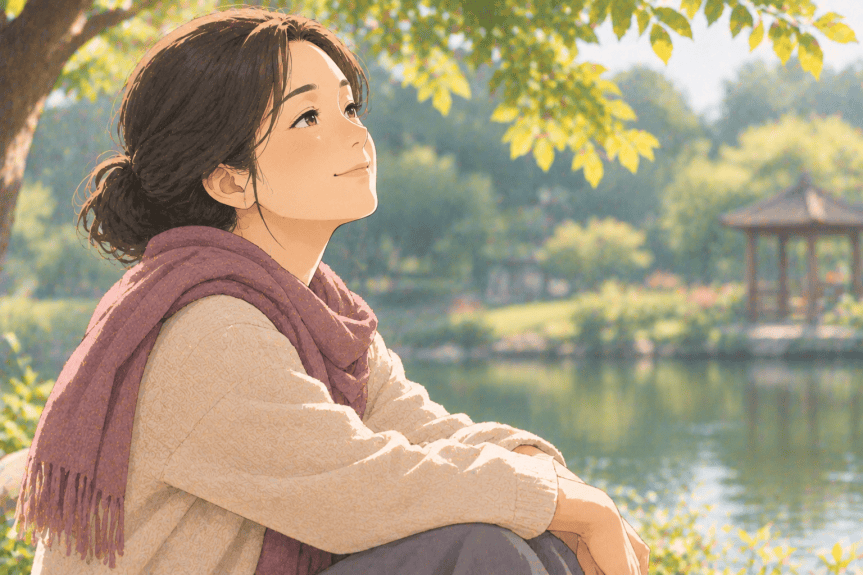
After Half a Lifetime of Storms, I Finally Learned to Let Go and Make Peace with Myself

It is only upon reaching middle age that we gradually come to understand that life is never a smooth journey. Instead, it is a series of challenges we must overcome, one after another. Emotional struggles trouble the heart, financial difficulties burden the body, and cultivating the right mindset is a lifelong practice. Maturity, in essence, comes down to learning three things: enduring hardship, shouldering responsibility, and maintaining inner stability.

When I was young, I was stubborn and found it difficult to let go of anything. Due to health reasons, my spouse and I were unable to have children. The day we received the medical examination results, the subject of children became forbidden in our home. Neither of us wanted to mention it. We spoke less and less, and our relationship grew colder with each passing day. Eventually, our marriage came to an end.

The day I left, I took only my clothes, leaving everything else behind. I walked away without looking back. All I wanted was to escape. The prolonged emotional neglect and constant belittlement I had endured had become unbearable. I could not tolerate it for even one more day—not even a single day! That marriage had brought me nothing but endless exhaustion and grievances too painful to express.

I had always believed that sincerity would be met with kindness and that giving wholeheartedly would bring an equal response. Instead, I remained trapped in the pain of separation, clinging to the past and struggling against myself. Before I knew it, more than ten years had slipped away.

The moment that finally helped me let go came in an unexpectedly ordinary way.

One day, while I was out shopping, I saw an elderly couple walking past me, supporting each other. They moved very slowly. The elderly woman had difficulty walking, but her husband never hurried her. He simply stayed by her side, accompanying her one step at a time.
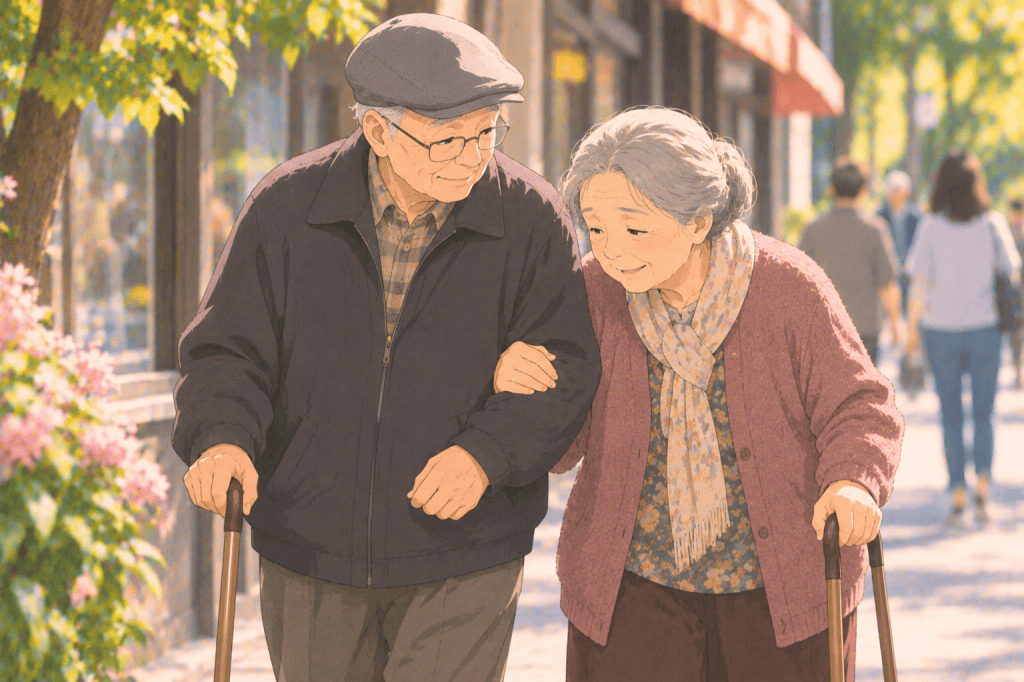
At that moment, something suddenly became clear to me: meetings and partings are shaped by causes and conditions. Some relationships simply come to an end. Holding on desperately only brings more suffering to oneself. Meeting someone is a matter of affinity; parting is a natural part of life. Letting go of the past does not necessarily mean forgiving someone else. Sometimes, it simply means giving yourself permission to be free.

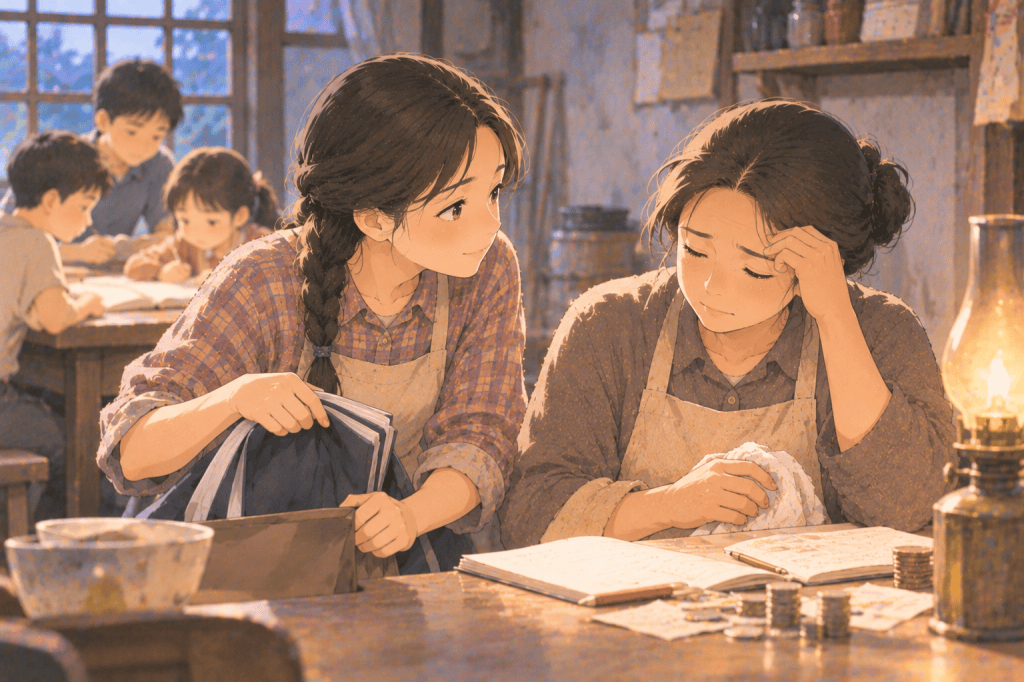
Having endured the trials of love and entered middle age, I finally came to understand the heavy burden of earning a living.

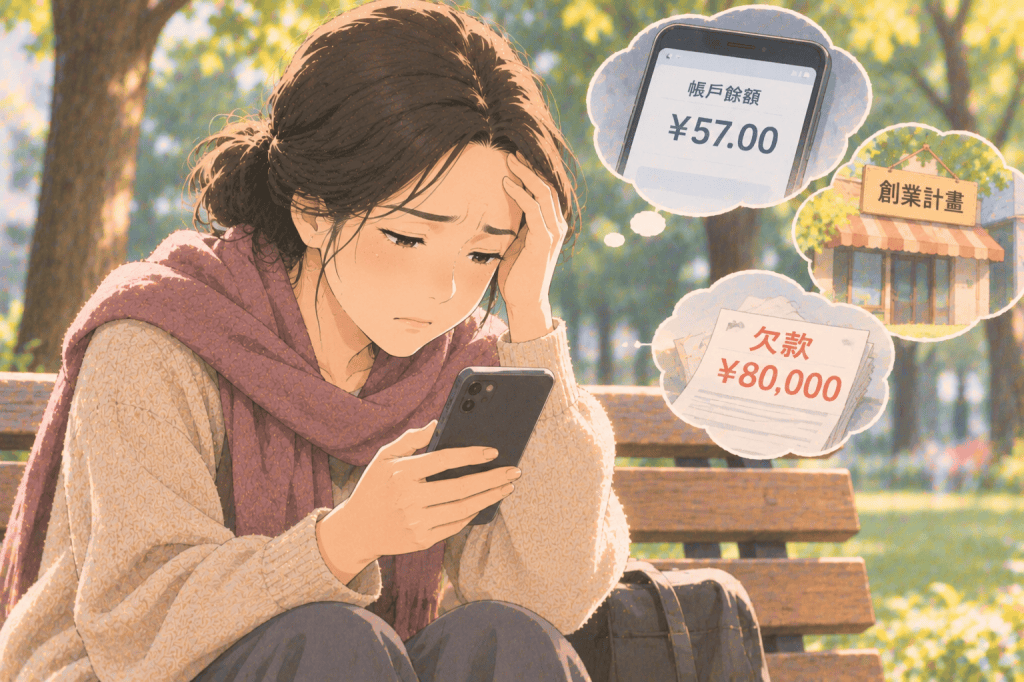
In the blink of an eye, I was forty-eight years old. After twenty years of diligent work, I had managed to save a modest amount by living frugally. I had hoped to open a small business and enjoy a stable life. Instead, the venture failed, wiping out all my savings and leaving me with 80,000 yuan in debt.

Half a lifetime of hard work had vanished overnight!

During my darkest days, I would sit alone on a park bench, repeatedly opening my banking app and staring at the balance: just 57 yuan.

Only one thought occupied my mind: How was I going to pay next month’s bills?
It was around that time that I gradually began to understand something. Money can sustain our daily necessities, but it cannot measure the value of our lives. There is no need to compare ourselves with others or chase after vanity. Living honestly, simply, and steadily is itself a form of peace in an ordinary life.

The regrets of love can eventually be softened by time. Financial hardship can be overcome through perseverance. But our mindset is something we must continue to cultivate throughout our entire lives.

During those two years of overwhelming debt, what tormented me most was not the phone calls from creditors, but the voices inside my own mind.

Resentment, self-blame, and regret took turns tormenting me.

Why did this have to happen to me? Why hadn’t I listened to the advice of others? Why had I invested my money in a business I knew so little about?

At night, I tossed and turned, unable to sleep. During the day, I forced myself to smile, terrified that acquaintances might discover my financial difficulties. I even took longer routes when grocery shopping just to avoid running into people I knew.

At first, I tried to survive by simply enduring everything, swallowing my grievances and forcing myself to carry on. But the more I suppressed my feelings, the heavier they became.

Eventually, I learned to make peace with myself.

I allowed myself to feel sad. I allowed myself to fail. Instead of telling myself, “I should never have lost,” I began asking, “I lost. So what comes next?”

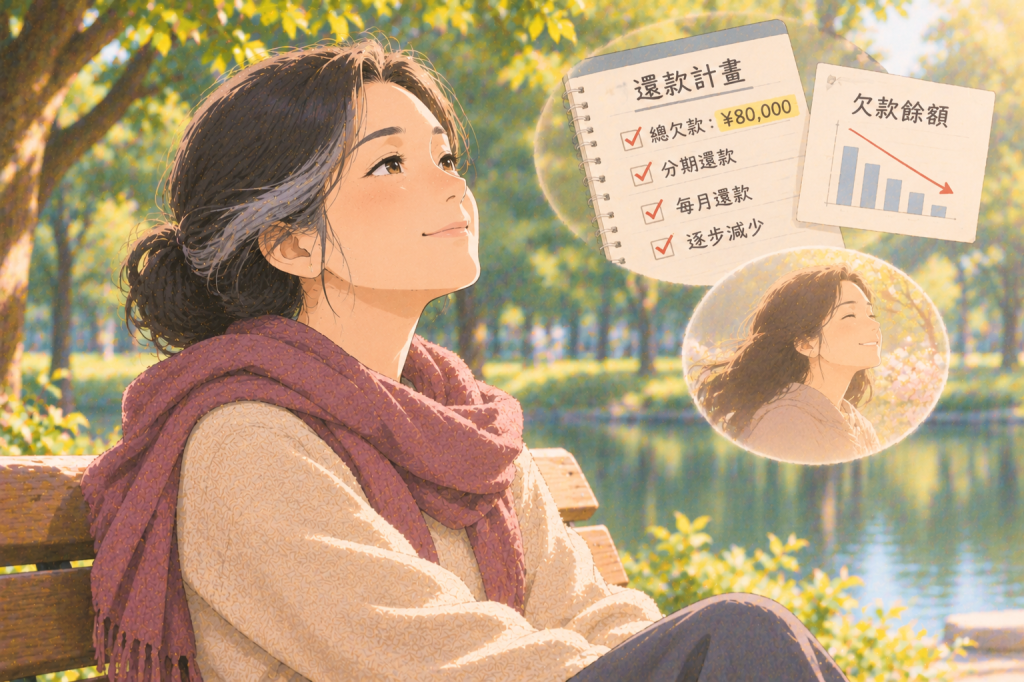
I started keeping track of my finances and divided the 80,000 yuan debt into manageable repayment plans. Each month, I paid back a little. As I watched the amount gradually decrease, the heavy stone weighing on my heart also began to grow lighter.

I stopped placing my emotional well-being in other people’s hands and stopped measuring my self-worth through their opinions.

In the evenings, I would take a couple of walks around the park, then sit quietly on a bench, thinking about nothing in particular. When a gentle breeze passed by, I felt a sense of relief.

During those two years, half my hair turned gray. Once, while getting a haircut, the barber asked whether I wanted to dye it. I waved my hand and declined. Somehow, I had come to see those gray strands as marks left by the passage of time.

Occasionally, I still remembered the good days of the past. But after the memories passed through my mind, I simply let them go.
The true turning points in life often come just when we feel we can no longer carry on.

It was during the most confusing and helpless period of my life that I was fortunate enough to encounter the true Buddha Dharma of Namo H.H. Dorje Chang Buddha III.

At first, I approached it simply with the hope of finding some relief from my suffering. I never expected that the more I studied, the more I would come to understand: much of our suffering arises not only from external hardships, but also from the attachments and fixations within our own minds.

Through studying the true Buddha Dharma, I gradually developed right views.

In the past, I constantly felt wronged and resentful. Whenever something went wrong, I would ask, “Why me?”

Over time, however, I came to understand that many of life’s circumstances are inseparable from causes, conditions, and the law of cause and effect.

This did not mean that I should punish myself for past mistakes, nor that I should continue drowning in resentment and self-blame. Rather, I needed to learn to examine the thoughts and intentions arising in my mind, correct my behavior, release my attachments, and remain grounded in the present moment.

The true Buddha Dharma taught me not to panic when facing difficulties.

My debts had not disappeared, and life still had to go on. Yet my heart was no longer so overwhelmed that I could barely breathe.

I began to understand that true liberation does not mean escaping reality, but finding inner peace while living within it. Truly letting go does not mean forgetting the past, but no longer allowing the past to imprison us.

Today, when I encounter unfair treatment, I still become angry, but once the anger passes, I let it go. When difficulties arise, I still feel anxious, but after calming down, I focus on finding solutions.

When negative emotions appear, I allow myself to experience them without letting them take control. I no longer become trapped in them.

I listen to Buddhist music, study and contemplate the true Buddha Dharma, and gradually allow my body and mind to relax.

The most important lesson in overcoming the challenges of our own mindset is this: Know when to take things up and when to let them go.

I have never glorified suffering. Yet none of the hardships I have endured, the difficulties I have overcome, or the darkest moments I have struggled through during this half of my life have been in vain.

They are not merely scars. They have become the stepping stones toward a life of greater peace and composure.

True inner strength does not mean never falling. It means being willing to stand up and move forward after every fall.

And my greatest blessing was that, at the most desperate point in my life, I encountered the true Buddha Dharma of Namo H.H. Dorje Chang Buddha III.

Guided by right views, I finally learned to release myself from the burdens of the past.

And at long last, I truly made peace with myself.

Written by: Zhi Ning

Edited by: Yue Se

Link: https://myhappylifestyle.net/2026/11/12/dorjechangbuddhaiii-finding-peace-through-the-buddha-dharma/

#DorjeChangBuddhaIII #Spirituality #Buddha #Buddhism

She Dropped Out of School as a Teenager to Support Our Education. Now, When We Want to Buy Her Designer Clothes, She Shakes Her Head.

She Dropped Out of School as a Teenager to Support Our Education. Now, When We Want to Buy Her Designer Clothes, She Shakes Her Head.

Day: November 11, 2026

She Dropped Out of School as a Teenager to Support Our Education. Now, When We Want to Buy Her Designer Clothes, She Shakes Her Head.

She Dropped Out of School as a Teenager to Support Our Education. Now, When We Want to Buy Her Designer Clothes, She Shakes Her Head.

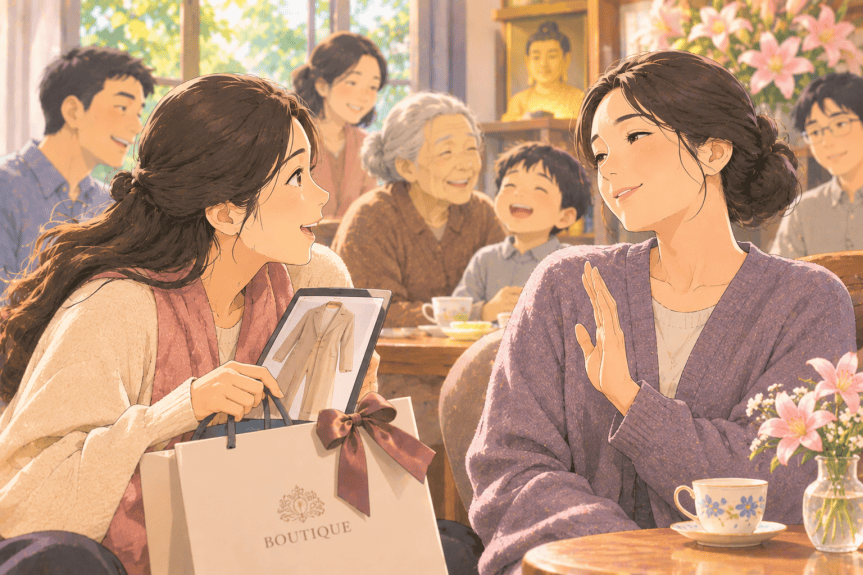
“Sis, come on! Your favorite brand has just released its new fall collection. I finally made it back from Beijing, so let me take you shopping and buy you a few outfits.”

I took my older sister by the wrist and tried to lead her out, but she gently pulled her hand away, smiled, and said, “There’s no need. I already have enough clothes.”

I froze for a moment.

If anyone else in the family had said that, I wouldn’t have been surprised. But standing before me was my sister—the very same sister who once refused to wear anything that wasn’t designer, insisted on choosing only high-end products, and eagerly followed the fashion trends of Hong Kong’s top female celebrities.

My sister is the third of five siblings. She has an older brother and an older sister, followed by a younger brother and me. Although money was tight when we were growing up, our family lived a relatively peaceful and stable life. That all changed when our father suddenly passed away in an accident in his forties. Overnight, the burden of supporting the family and raising five children fell entirely on our frail mother’s shoulders.

Our mother worked tirelessly, day and night, scrimping and saving until she grew increasingly worn and exhausted. Still, the family struggled to make ends meet. There was never enough money for tuition or daily expenses.

My sister was only in her teens at the time. She didn’t complain or cry. Instead, she quietly packed away her schoolbag and announced that she would stop attending school and find work. From then on, she began working to help our mother pay for the rest of us to continue our education.

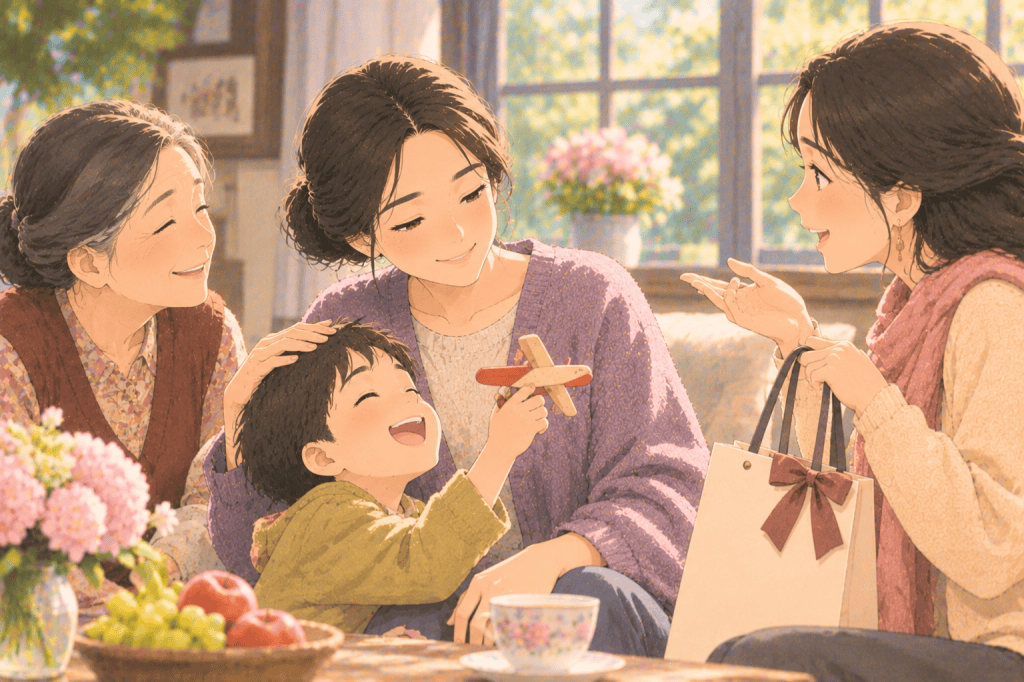
One by one, we eventually entered university, graduated, and established our lives in the city. Although our sister never mentioned the educational opportunity she had sacrificed for us, none of us ever forgot it. As our lives became increasingly comfortable, our gratitude was accompanied by an ever-deepening sense of guilt and indebtedness.

That was why, whenever holidays or family gatherings came around, designer clothing from luxury boutiques became our standard gift to her. It was an unspoken understanding among the entire family. By compensating her materially, we felt a little better about what she had given up for us.

Having entered the workforce at such a young age, my sister had developed a strong, assertive personality. Her glamorous appearance and carefully cultivated image had long become a kind of protective armor. She, too, readily accepted these gifts as a form of compensation.

This continued for more than a decade. Everyone assumed she would remain this way for the rest of her life, and no one thought there was any reason for her to change.

But this time, when I returned from Beijing to celebrate our mother’s birthday and stayed for several days, I became increasingly surprised—and deeply moved.

My sister no longer showed the slightest interest in shopping for new clothes as she once had. Instead, she patiently sat with our mother, chatting about everyday matters. She lovingly looked after our mischievous nephew and quietly took care of all the little details involved in our family reunion.

Whenever someone seemed uncomfortable, emotionally reserved, exhausted from traveling, or slightly unwell, she was always the first to notice. With gentle words and thoughtful gestures, she would comfort them and attend to their needs.

I couldn’t resist trying again.

“Sis, come on! I hardly ever get to come home. Please let me buy you something.”

She shook her head again and replied calmly, “I used to think that a person needed beautiful clothes to feel confident. Without them, I felt insecure. I wanted to wear designer brands so that others would think more highly of me. But that was nothing more than vanity at work.”

Looking at me, she continued softly:

“Now I am truly blessed to have had the opportunity to study the Buddha Dharma personally expounded by Namo H.H. Dorje Chang Buddha III. I have come to understand that no matter how expensive clothes may be, they are ultimately just things we wear to cover our bodies. I have also realized how short life is and that we should not waste it chasing vanity.”

I stood there, speechless for a long time.

My sister had changed. The once strong-willed and fiercely competitive woman, who had always cared so much about appearances, status, and keeping up a glamorous image, was no longer the same.

Yet, deep down, she was still the same loving sister who had always put others before herself, just as she had when we were children.

The difference was that she no longer needed material possessions or outward appearances to give her a sense of worth.

Written by / Xiao Zhan

Edited by / Dui Bai Yun Tian

Link: https://myhappylifestyle.net/2026/11/11/dorjechangbuddhaiii-from-vanity-to-inner-peace/

#DorjeChangBuddhaIII #Spirituality #Buddha #Buddhism
2026年11月10日

Where Do the Eight Sufferings of Life Come From, and Where Do They Lead?

Where Do the Eight Sufferings of Life Come From, and Where Do They Lead?

Day: November 9, 2026

Where Do the Eight Sufferings of Life Come From, and Where Do They Lead?

Do you often feel that your life is filled with troubles and that Heaven has treated you unfairly? Do you frequently envy others for their wealth and successful children, while feeling that you have nothing? Do you often complain that your superiors are incompetent, yet arrogantly use their authority to oppress and exploit you?

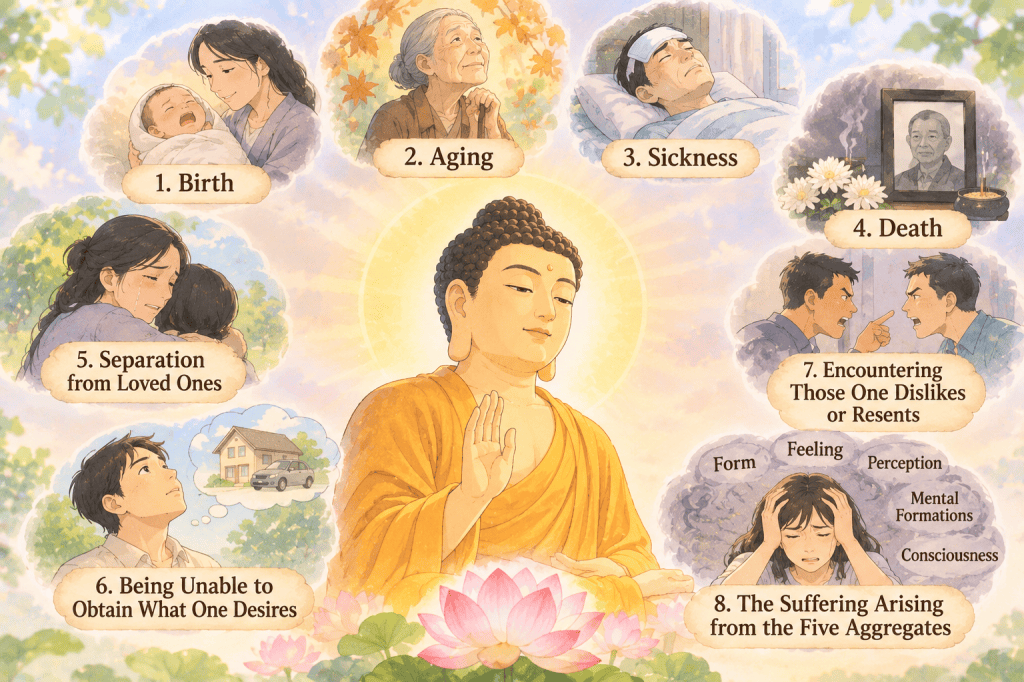
Namo Shakyamuni Buddha taught that there are eight sufferings in life: birth, aging, sickness, death, separation from loved ones, being unable to obtain what one desires, encountering those one dislikes or resents, and the suffering arising from the intense activity of the five aggregates.

These eight sufferings follow us like shadows and are deeply intertwined with our daily lives. That is why we frequently experience pain, distress, and oppression. This should come as no surprise. From the moment a person is born, or even while still in the mother’s womb, suffering and torment are already present. Only occasionally, in the brief intervals between sufferings, do we experience fleeting moments of happiness.

As we drift and struggle in the ocean of suffering, what exactly are we hoping to gain?

An extraordinarily beautiful woman? No matter how beautiful she may be, her beauty will eventually fade with the passing years.

Unlimited power and authority? No matter how powerful a person becomes, no one can escape death or attain eternal life through worldly power.

Mountains of wealth? Even if one possesses riches comparable to those of an entire nation, such wealth is only temporarily held.

Romantic love? In life, we often encounter the suffering of separation from loved ones and the suffering of meeting those we resent. In the face of death, even the most deeply devoted lovers must eventually part.

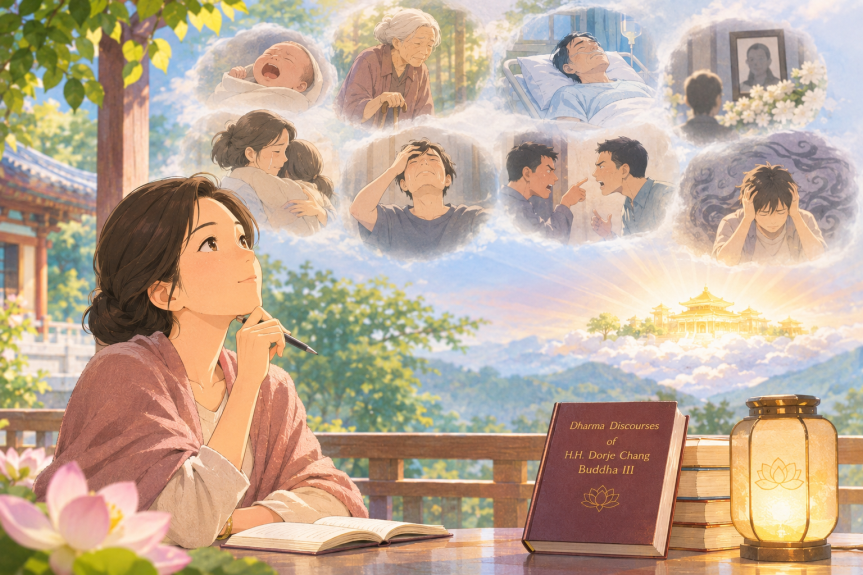
I could not help but look up to the heavens and sigh: Why must we suffer so much? We come into this world, endure countless hardships, and ultimately leave with nothing. Then what is the meaning of all this suffering?

With these questions weighing heavily on my mind, I began a painstaking search for answers.

I studied traditional Chinese culture, hoping to find the key to these questions within the profound wisdom accumulated over thousands of years of Chinese civilization. Confucian teachings and Taoist cultivation both seek peace and stability in this present life, but can such peace and stability truly be relied upon? The shadow of suffering still looms behind every one of us.

I also tried to find answers in Christianity, but cultural differences soon led me to abandon that pursuit.

Finally, I turned to the vast and profound teachings of Buddhism. I visited many temples, met numerous monastics wearing Buddhist robes, and studied a great deal of Buddhist knowledge online. Despite my persistent search, however, I gained very little understanding.

Through the coming together of causes and conditions, I was fortunate enough to encounter the authentic Buddhist teachings transmitted by Namo H.H. Dorje Chang Buddha III.

The teachings of Namo H.H. Dorje Chang Buddha III were like a bright lamp illuminating the darkness, enabling me to penetrate the mysteries behind the countless sufferings of life.

I finally came to understand that the root of all our suffering is attachment to self (self-attachment), and that self-attachment is the root of reincarnation.

Because we are afflicted by the five poisons—greed, anger, ignorance, arrogance, and doubt—we remain entangled in self-attachment throughout countless lifetimes. As a result, we continue to endure torment in the ocean of suffering within the cycle of reincarnation.

Therefore, eliminating self-attachment is the foremost priority in learning Buddhism.

No wonder we suffer so much! All along, we have been troubled, deluded, and obstructed by our attachment to the self.

Eliminating self-attachment is an urgent task for every Buddhist practitioner. Yet self-attachment follows us at every moment. How difficult it is to eliminate!

What, then, should we do?

We should constantly and respectfully listen to the Dharma discourses of Namo H.H. Dorje Chang Buddha III and respectfully study authentic, precious Dharma books.

With the Buddha residing in this world, we should take the Buddha as our teacher, follow the Buddha’s teachings and precepts, and cultivate ourselves in accordance with the Dharma.

By doing so, we can gradually free ourselves from the self-attachment that has bound us throughout countless lifetimes, untie the knots of reincarnation, transform causes and effects, and progress from self-cultivation to Dharma practice. Ultimately, we can attain liberation and accomplishment and reach the realm of happiness—the Pure Land.

Are you still searching for the true meaning of life, or have you already embarked upon the path to Bodhi?

Written by Mei Fang

Link: https://myhappylifestyle.net/2026/11/09/dorjechangbuddhaiii-eight-sufferings-of-life/

#DorjeChangBuddhaIII #Spirituality #Buddha #Buddhism

Tear Down the Wall in Your Heart

Tear Down the Wall in Your Heart

Day: November 7, 2026

Tear Down the Wall in Your Heart

After retiring, Mr. Li became obsessed with health and wellness.

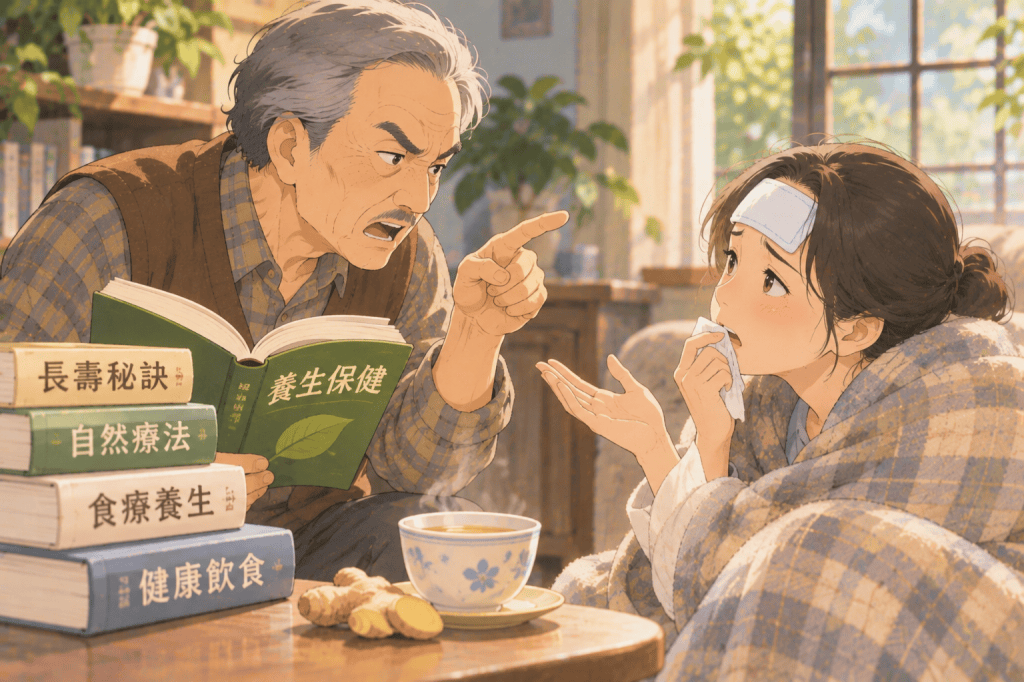
Every day, he shared all kinds of articles in the family group chat, each with a more alarming headline than the last: “Doctors Never Eat These Three Foods,” “Shocking! This Common Household Dish Is Actually a Class 1 Carcinogen”…

Whenever someone disagreed with him, he would immediately become upset. “What do you know? I’ve eaten more salt than you’ve eaten rice!” he would snap, insisting that his age and experience made him more knowledgeable than everyone else.

Last month, his daughter caught a cold and developed a fever. After taking one look at her, Mr. Li declared firmly, “You mustn’t take medicine. It’ll only make your body colder. Just drink some ginger soup and sweat it out!”

His daughter wanted to see a doctor, but he stubbornly stopped her. “I’ve studied health and wellness for so many years. Do you really think I would do anything to harm you?”

As a result, his daughter endured the illness for three days. Her fever eventually reached 40°C (104°F), and by the time she was taken to the hospital, she had developed pneumonia.

The doctor frowned and said, “If you had brought her in just one day later, her life could have been in danger.”

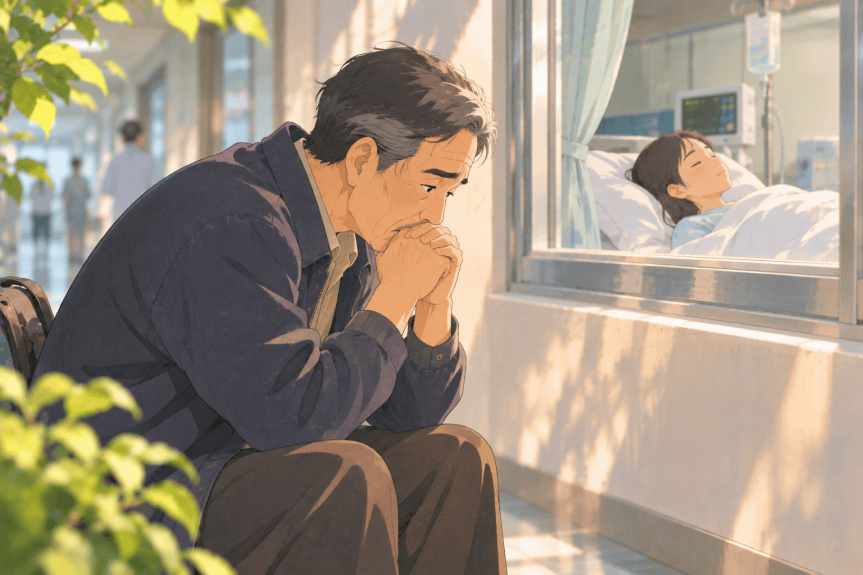
Outside the hospital room, Mr. Li crouched in the corridor, holding his head in his hands, unable to utter a word.

He simply couldn’t understand: How could he have been wrong when he thought he knew so much?

In fact, many of us have had similar experiences. We often believe that we are right and everyone else is wrong.

Namo H.H. Dorje Chang Buddha III stated in Philosophical Sayings About Worldly Matters:

“There is nothing more foolish than for one to believe that all one sees is reason and the universe is created from it. Whenever one measures everything from one’s own standards, that person is demonstrating ignorance.”

The meaning can be expressed as follows:

“The greatest flaw that leads people into foolishness is the belief that their own views are the truth. From this arises the tendency to judge all phenomena according to their own standards. This stems from a mind that has not attained clarity and wisdom, and therefore remains in ignorance. Those who regard their own understanding as the measure of all things are, in reality, lacking in true knowledge.”

This means that one of the greatest causes of human ignorance is the belief that everything one knows or understands represents the absolute truth.

Such people use their own opinions, experiences, and state of mind as the standards by which they judge everything in the world, whether spiritual or material. Whatever agrees with their views is considered correct, while anything that contradicts them is dismissed as wrong.

The fundamental reason for this is that their minds have not yet developed wisdom, and they lack the discernment necessary to recognize the truth.

They see things from a limited perspective, taking the little they know and using it to make sweeping judgments about matters far beyond their understanding. In doing so, they trap themselves in a state of ignorance.

Once we understand this principle, we can recognize that those who insist on using their own opinions as the absolute standard for judging all things and all living beings are, in fact, people who lack genuine wisdom and understanding.

If we think carefully, aren’t there countless examples of this in everyday life?

Some people believe that education is useless and therefore look down on everyone who pursues academic studies.

Others believe that traditional Chinese medicine is unscientific and consequently dismiss thousands of years of tradition without further consideration.

Still others insist that only their own religious beliefs represent the true Dharma, while dismissing all other beliefs as misguided or heretical.

Ultimately, these people have built a wall within their hearts. They surround themselves with their own ideas, convince themselves that those ideas represent the only truth, and refuse to listen to anyone else’s voice.

Namo H.H. Dorje Chang Buddha III teaches us that this attitude arises primarily because the mind has not yet developed wisdom or acquired the discernment necessary to recognize the truth.

As a result, people view matters from a narrow perspective, using the small amount they know to judge the entirety of things they do not fully understand. This keeps them trapped in ignorance.

Once we understand this teaching, we realize that anyone who regards their own opinions as the ultimate standard for judging everything in the world, including all living beings, is actually lacking in true knowledge and wisdom.

In reality, genuine wisdom is not complicated. It begins with the willingness to tear down the wall within our hearts and acknowledge:

Perhaps I don’t know.

Perhaps I’ve misunderstood.

Perhaps my understanding is incomplete.

Only when we put down the ruler we have been using to measure everything according to our own standards, and become willing to listen, observe, and learn with humility, can we escape the confines of ignorance and discover a much broader world.

Later, Mr. Li sighed and said, “My greatest flaw in life has been trusting my own judgment too much.”

I asked him, “What about now?”

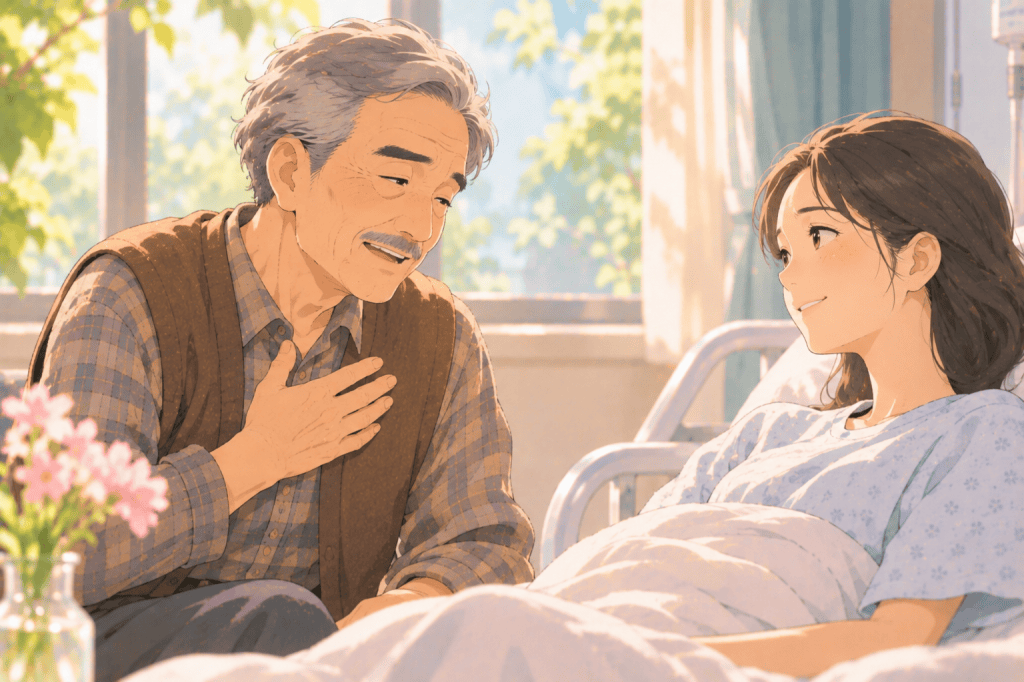
He pointed toward the hospital room.

“Now I understand. When there’s a wall in your heart, sometimes you simply have to tear it down.”

Indeed, only when the wall comes down can the light shine through.

Are you willing to join us in tearing down the wall within our hearts?

By A Humble Student

Link: https://myhappylifestyle.net/2026/11/07/dorjechangbuddhaiii-tear-down-the-wall-in-your-heart/

#DorjeChangBuddhaIII #Spirituality #Buddha #Buddhism
From Listening to the Buddha’s Dharma Discourses to Caring for the Elderly: Experiencing True Compassion

From Listening to the Buddha’s Dharma Discourses to Caring for the Elderly: Experiencing True Compassion

Day: November 4, 2026

From Listening to the Buddha’s Dharma Discourses to Caring for the Elderly: Experiencing True Compassion

From Listening to the Buddha’s Dharma Discourses to Caring for the Elderly: Experiencing True Compassion

Looking back on the time when I accompanied fellow Buddhist practitioners to visit and care for the elderly at a nursing home, the memories remain deeply etched in my heart.

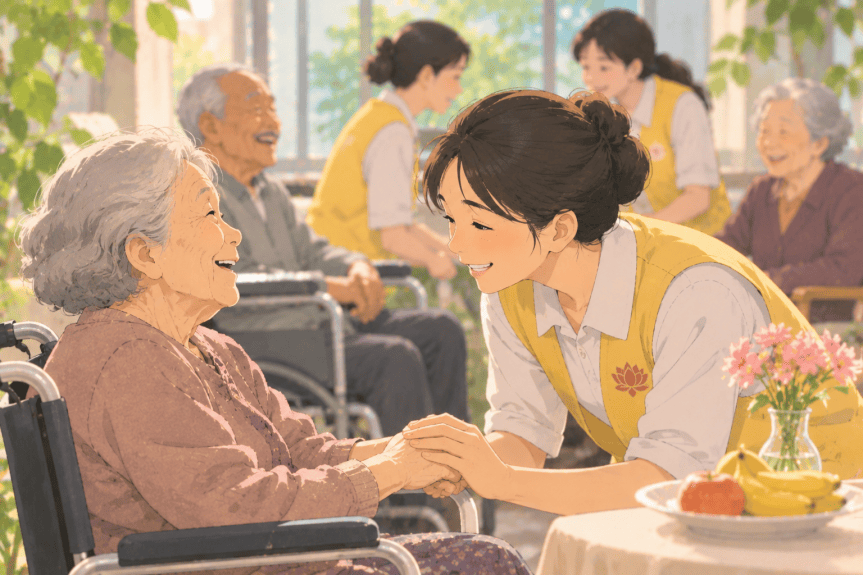
I still remember walking into the nursing home that day and seeing some elderly residents sitting quietly in their wheelchairs, staring blankly ahead. It was truly heartbreaking. I couldn’t help but think that, when they were young, they might have worked tirelessly to support their families and devoted themselves to raising their children. Now, in their old age, with their mobility limited, perhaps all they longed for was someone to visit them and spend some time talking with them.

That day, we recited the Buddha’s name together and brought some food to share with the elderly residents. As the sound of the Buddha’s name filled the room, I noticed that the expressions on some of their faces gradually softened, and gentle smiles began to appear. I was deeply moved. I came to realize that, for someone experiencing loneliness, simply knowing that someone cares and is willing to offer companionship is a precious source of happiness.

This experience reminded me of the Dharma principles I had learned from listening respectfully to the Dharma discourses of Namo H.H. Dorje Chang Buddha III.

In the teachings presented in What Is Cultivation?, Namo H.H. Dorje Chang Buddha III teaches us to cultivate compassion and bodhicitta, to learn to consider the needs of others, and to genuinely benefit living beings.

Among these teachings, the Dharma principle of “Exchanging Self and Others through Bodhicitta” gave me an even deeper understanding. When we feel lonely or distressed, don’t we also wish for someone to accompany and comfort us? Since we ourselves long to be cared for, shouldn’t we make an even greater effort to understand the needs of others?

In the past, when listening to the Dharma discourses, I felt that I understood these principles. However, it was not until I personally witnessed the loneliness of the elderly residents that I truly realized that understanding the Buddha Dharma is one thing, while putting it into practice is another.

Compassion is not merely feeling sympathy for others. It means being willing to reach out to them and bring a little warmth into their lives.

That visit also deepened my awareness of the impermanence of life. Today, we may still be healthy, able to live independently, and surrounded by family and friends. Yet everyone will grow old someday. Today, we are the ones visiting and accompanying the elderly, but perhaps one day, we too will become the people hoping that someone will come to visit us.

With this realization, I feel an even greater need to cherish the people around me and make good use of the time when I am still able to help others.

In fact, doing good deeds does not necessarily require accomplishing anything extraordinary. Spending time talking with an elderly person, showing greater patience toward our parents, offering more care to our family members, or taking the initiative to help someone in need—these are all simple acts of kindness that we can practice in everyday life.

When helping others, we should not always be thinking about how much merit or good fortune we might accumulate. What matters most is sincerity. When we genuinely wish for others to suffer less and experience more happiness, our actions take on true meaning.

Looking back on that day, all we brought with us was a little food, some of our time, and our companionship. Yet what we took away was a deeply moving experience that has remained in our hearts.

I am grateful for the teachings of Namo H.H. Dorje Chang Buddha III, and I am also grateful to the fellow Buddhist practitioners who accompanied me. They gave me the opportunity to put the principles I had learned from respectfully listening to the Dharma discourses into practice, following the teachings and applying them in daily life.

I know that I still have many shortcomings on my path of learning Buddhism. Nevertheless, I hope to always remember the feelings that arose from that visit and constantly remind myself to be less concerned with personal gains and losses, to show greater understanding toward others, and to willingly offer whatever help I can whenever I see someone in need.

True Buddhist practice is not measured by how many Dharma discourses we have listened to or how many teachings we understand. Rather, it is reflected in whether we can begin with the small things around us and transform compassion into concrete actions.

Buddhist Disciple Qiu Huangren
With palms joined in reverence

October 19, 2026

Link: https://myhappylifestyle.net/2026/11/04/dorjechangbuddhaiii-experiencing-true-compassion/

#DorjeChangBuddhaIII #Spirituality #Buddha #Buddhism